Over a month into the joint American-Israeli campaign in Iran, and the ever-growing parallels to the 2003 Iraq war reveal a familiar and dangerous pattern. America is relearning a $3 trillion dollar lesson: you can’t bomb ideology out of existence; it only clears the way for a dangerous power vacuum.
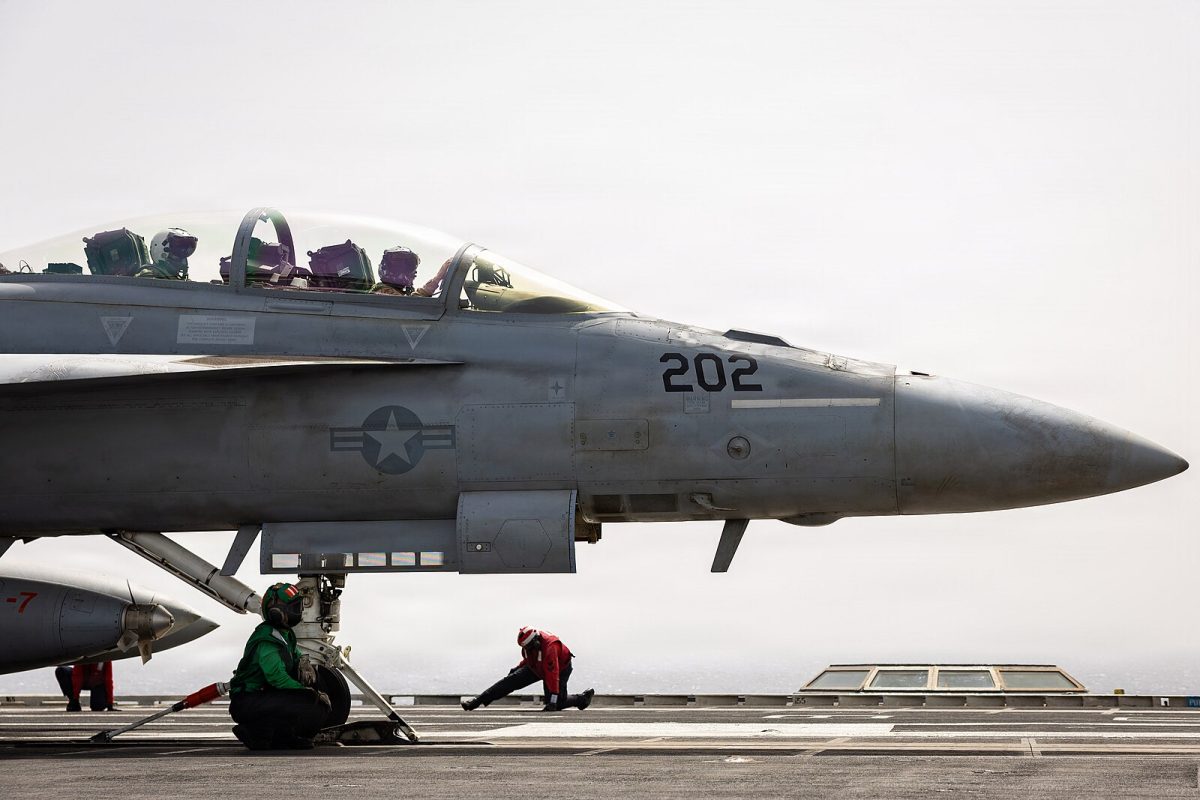
On February 28th, the United States and Israel began a massive bombing campaign against military targets in Iran, killing Iran’s supreme leader, Ayatollah Ali Khamenei. Photos depicted massive plumes of smoke over Iranian cities, and so far, thousands of Iranians have died, including around 236 children, according to Human Rights Activists News Agency (HRANA).
The air campaign, known as Operation Epic Fury, has succeeded in the killing of many senior Iranian military officials in attempts to cripple Iran’s command structure. The attacks have so far targeted and destroyed most of the Iranian nuclear and ballistic missile program, the destruction of which is cited as one of the main justifications for the United States when launching its bombing campaign in February (BBC).
However, the blueprint for America’s “shock and awe” campaign in Iran was written 23 years earlier by the Bush administration in Iraq. Following the September 11th terror attacks, many American officials, including then-President George W. Bush, believed Iraq had possession of weapons of mass destruction (WMD), despite faulty intelligence.
On the 20th of March 2003, the United States, along with a coalition of allies, began an invasion of Iraq. Similarly to the present military action in Iran, the United States cited destroying Iraq’s nuclear weapons and destabilizing Iraq’s “terrorist regime” as justification for the Invasion.
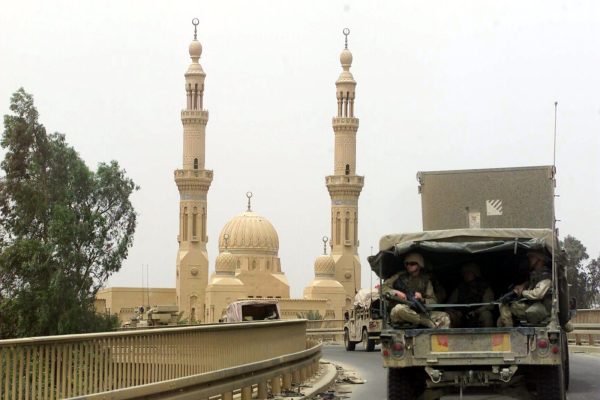
The 2003 Iraq war is widely viewed as one of the worst decisions in US foreign policy, with a 2019 poll from the Pew Research Center showing 62% of American adults believed the war was not worth fighting. What was supposed to be a quick and effective invasion turned into an 8-year battle between American troops and Iraqi insurgents. The war would leave a massive power vacuum and the tragic death of around 4,500 Americans.
One of the more glaring parallels between America’s current campaign in Iran and the 2003 war is America’s flawed assumption that military force can eradicate an individual’s deeply held ideology.
After American forces took full control of Iraq, they began dismantling the Iraqi government with the intention of rebuilding it based on American democratic ideals. The thinking was that by destroying the previous party, the party’s anti-American ideology would be dismantled with it. This thinking proved to be wrong.
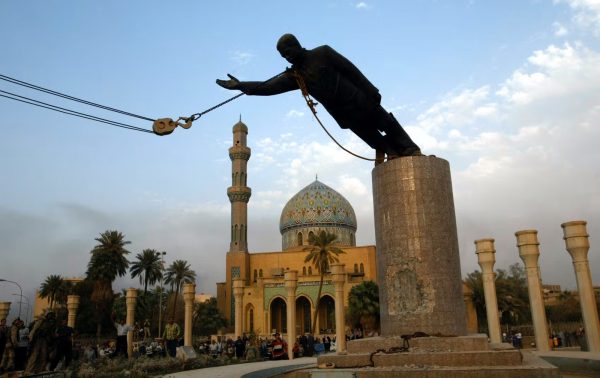
In the years following the American invasion, anti-American insurgent groups began organizing across the country, intending to take back their country from what they viewed as foreign invaders. America soon found itself at war with the very people that it had liberated. At the same time, political corruption was widespread, and the unpopular American-appointed government in Iraq could not stop these groups, many of which were supported by Iran, from taking control of Iraq.
The years of civil conflict that followed the Iraq War turned Iraq into a fractured nation. Groups like the Islamic State (ISIS) exploited a weak Iraqi government to launch a campaign of violence and terror across the Middle East. Iraqi ethnic groups, who had undergone decades of oppression, quickly seized large swathes of land, and religious violence gave rise to powerful Iranian proxies that would dominate Iraq’s politics to this day.
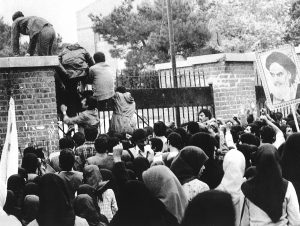
Just as military action didn’t eradicate deeply rooted ideology in Iraq, it won’t in Iran. Iran has an extremely complex relationship with the West ever since an Islamic revolution overthrew Iran’s pro-American monarchy and replaced it with an Islamic theocracy in 1979. Ever since the 1979 revolution, the United States and Iran have viewed each other as threats to their national security. This negative view of the United States is deeply rooted in Iran’s ideology (US State Department).
Given Iran’s dodgy relationship with the West, the current military action in Iran will likely not be seen as an act of liberation, but rather as confirmation of Iran’s long held anti-American beliefs. Most Iranians are not likely to view the country dropping bombs on their home as the good guys. In the long run, America’s bombing will most likely give more power to Iran’s anti-American institutions. This is not to mention the immense loss of human life that would result from a long, drawn out conflict.
Some point to the argument that Iran was already on the verge of a popular uprising against the Islamic regime. In January 2026, Iran was rocked by a wave of anti-government protests, with angry Iranians taking to the streets to demand civil liberties and freedom. The Iranian government responded with gunfire. According to Amnesty International, tens of thousands of protesters have been killed by Iranian security forces since last December.
However, the American bombing campaign is not an effective way to support the Iranian people in the fight for their freedom. The bombing has the opposite effect; it arguably increases internal support for the regime by turning Iranian government leaders like Ayatollah Ali Khamenei into martyrs for the Iranian regime. Transforming a weakening regime into a unified national resistance.
If America continues to ignore the lessons learned from Iraq, post-war Iran will be a mirror image of post-invasion Iraq. Like Iraq, Iran’s future could be one filled with civil conflict and violence, but if America learns from its past, it could learn from its mistakes.
Instead of bombing Iran “back to the Stone Ages”, as President Trump said during an April 1st address, we must support the Iranians who have been fighting for their rights. An effective regime change in Iran won’t come from outside military force; it comes from the Iranian people.
Public opinion matters. If you are concerned about America’s actions in Iran, contact your congressman and have your voice heard. You can find your congressman at https://www.congress.gov/members/find-your-member.
UPDATE: On April 8th, Iran and the United States agreed to a 2-week ceasefire as negotiations for a permanent solution continue. On April 17th, a 10-day ceasefire agreement was also reached between Israel and Lebanon.