Many kids grow up dreaming of playing professionally in their sport, and parents dream of scholarships and raising an athlete. Parents will often put their kids into sport specialization at ages as young as 6-7, in hopes that their kids will develop the skills they need for their sport, while completely ignoring the mental, physical, and social consequences. Putting kids in sport specialization too early is more harmful than helpful. Kids shouldn’t be allowed to do sport specialization until at least 12 years old to avoid injury and burnout.
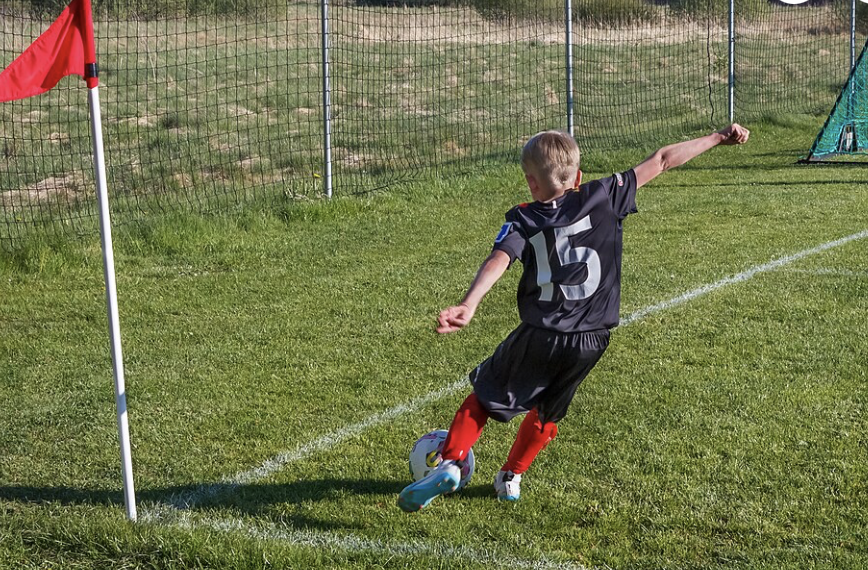
Sport specialization is defined as intense training in 1 sport while excluding others. Clubs or Olympic Development Programs (ODP) are the most common places where Sport Specialization is used. Many kids play club sports around the world, and it appears to have increased, especially in younger generations. According to a clinical report by the American Academy of Pediatrics, “many sport specialization programs start as early as 7 years old.”
What is often overlooked is how this early specialization affects kids’ bodies. Younger athletes that are put into club sports have bodies that are still growing and learning how to maneuver. The American Academy of Pediatrics argues that before kids are thrown into rigorous training, “Young athletes need to learn motor development skills, social skills, and psychological skills to succeed”
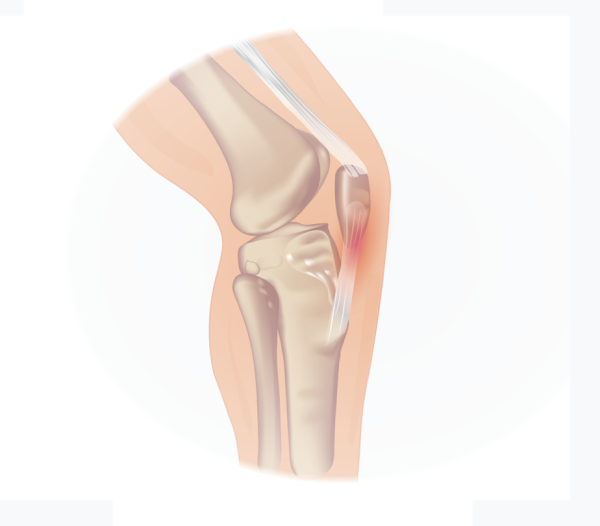
I was put into a sports specialization in soccer at the age 8. Within only a month, I developed Patellar Tendonitis, which is tiny tears that develop throughout the tendon in my knee, caused by overtraining. It got so bad that I couldn’t play soccer for 14 months, and these knee problems caused other problems throughout my body. Because my knees were so weak, my ankles were under too much strain and now sprain easily. Now I have to tape my knees and wear an ankle brace to prevent me from injuring myself further. I would never want a kid my age to ever go through what I did, and that is why I want to bring this topic to attention.
When these young athletes are put into these programs, there is an increased risk of injury. More than 3.5 million children ages 14 and younger get hurt annually playing sports or participating in recreational activities. The NFHS stated that intermediate specialized athletes had a 50 percent increased risk, and highly specialized athletes had an 85 percent increased risk of injury.
Many parents and coaches believe that starting training at an early age will help the younger generation of athletes play at an elite level and have greater chances of success at “going pro”. Sport Specialization can be a useful tool when used correctly, but no studies prove that the earlier you start Sport Specialization, the more successful you’ll be. In fact, it only increases playing time and is an unnecessary financial investment.
As kids, we idolize our favorite athletes and dream that one day we will be as good as they are or play alongside them. At this age, it motivates us to play our sport and want to get better. Parents see this and dream of them reaching the finish line that leads to college scholarships. This leads parents to look into early specialization, as many assume the most “talented” children are selected early and trained on a regimen that does not align with the kids’ motivation to participate in sports.
This dream parents have isn’t impossible, but it’s unrealistic at this age. Only 11.3% of high school athletes compete at the National Collegiate Athletic Association (NCAA) level, and only 1% receive an athletic scholarship. Studies show that 87 percent of the attendees were multi-sport athletes in high school, didn’t start intense training until late adolescence, and before that, they played multiple sports in high school. Even more likely was that the sport they once specialized in is different from the one they participated in later and now play.
Despite these statistics, parents still dream of reaching that goal for their children, and in doing so, can ignore the harmful effect it can have on their kids’ mental health. The American Academy of Pediatrics found that “Parents were the strongest influence on starting a sport, and coaches influenced the decision to train intensely and specialize in a sport,” which brings immense pressure and stress on the kid.
Elite athletes who participated in specialized sports at a young age report that about 35% of them have mental health concerns. According to an NCAA Student Athlete Well-Being study, the top issues are feelings of burnout, depression, and anxiety. 38% of those in women’s sports and 22% of those in men’s sports reported these feelings along with exhaustion.
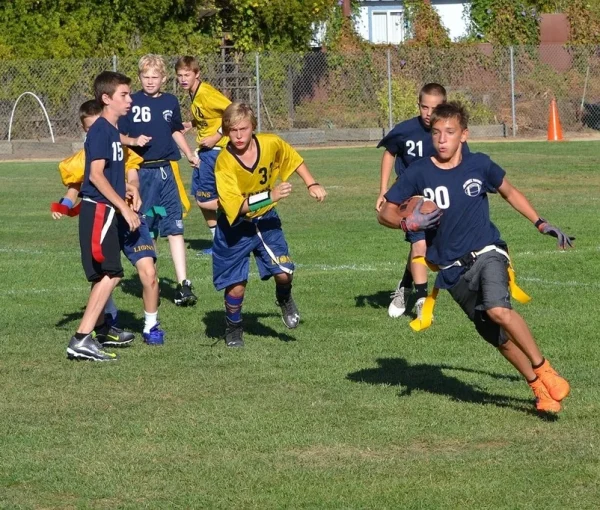
The leading result of early specialization is Burnout, a social, physical, and emotional withdrawal from formerly enjoyable activities due to chronic stress and lack of motivation, often characterized by diminished enthusiasm and satisfaction with achievements.
All the stress and mental pressure that is put on kids at such a young age is one reason more children are dropping out of the sports they once loved. The share of school-age children playing sports fell to 53.8 percent in 2022, from 58.4 percent in 2017, according to the National Survey of Children’s Health. While more than 60 million adolescents play sports, up to 70 percent of them drop out by age 13.
These concerns are very real and often overlooked because of the desire for children to become elite athletes, but sport specialization isn’t the only path. Before kids can even think about becoming elite athletes, they must master certain skills, such as physical literacy. Physical literacy is the mastery of fundamental movement skills and fundamental sports skills. The ABCs (agility, balance, coordination, speed) are the basic skills required for physical literacy.
It is easier to see it as a five-step process: FTTR, FUNdamental, Training to Train, Training to Compete, Training to Win, and Retirement/Retraining. Fundamentals should occur between ages 6-10, when they learn the basics of being an athlete (ABCs) while still being diversified across many sports. Training to Train is for ages 10-14, where they learn the basics of a specific sport while still being diverse in many sports. At this point, athletes can specialize in one specific sport more than in others. Training to Compete should be for ages 15-18, with an even split between technique training and sport-specific competitive training. This is when athletes should be committing to specific sports. Training to win is for athletes older than 18, who focus on their performance and on accomplishing goals they set for themselves and their bodies. The Retirement/Retraining stage is when athletes either try to play at a professional level or decide they are done with sports, not because of burnout, but because they are content with their goals.
Furthermore, a study done by the American Academy of Pediatrics states that being a diverse athlete is more beneficial than training in one sport your whole life. These benefits of early diversification include exposure to different physical, cognitive, affective, and psychosocial environments. The foundational skills acquired are necessary for athletes to specialize later successfully.
Early diversification fosters positive relationships among peers, builds leadership skills, and instills natural motivation through participation in enjoyable activities. This creates a greater potential to minimize dropouts and maximize sustained participation.
Delaying athletes’ sport specialization isn’t about holding young athletes back; it’s about building a stronger, healthier foundation for them to move forward. Diversification is encouraged; they build a wider range of skills, avoid injury and burnout, and develop a genuine love for sports.
The goal shouldn’t be to create perfect players, but growth, both as athletes and people. Giving children the freedom and time to discover what they love and enjoy will set them up for better performance, lifelong relationships with peers and sport, good health, and resilience. Let’s help these young athletes take the right path and not force them into the wrong one, help them grow and avoid injury, because that should really be the ultimate goal.