According to the Food Research and Action Center, school lunch is a critical aspect of student health and well-being. But questions arise: who decides what is healthy, and how does the food we eat reflect that concept? There are numerous rules, regulations, and guidelines meant to keep school lunches healthy, but it’s not always clear whether these guidelines really make lunches healthier.
The Regulations
The USDA Food and Nutrition Service (FNS) sets the guidelines and nutrition standards for school lunches. The FNS bases its guidelines on the Dietary Guidelines for Americans, which are suggestions for the American public to make the healthiest nutrition choices as decided by a committee of distinguished nutrition experts.
According to the FNS, the dietary guidelines ensure that all students have access to healthy, nutritious foods that enhance learning and health and build healthy eating habits.
Schools opt to follow the guidelines because the federal government covers the meal costs of schools that follow the guidelines set by the FNS and USDA. The Federal Government covers $0.44 to $5.00 per lunch, depending on whether lunches are free to students.
The federal government not only sets the guidelines, but also supplies the food itself.
District Food Service Director Eleni Burns said in an interview that, “What the government does is they go to USA vendors, anybody across the United States.”
“We buy through vendors that are only for the National School Lunch program. In other words, the vendors we use aren’t the same ones that are necessarily supplying the supermarkets, but they are vetted through the government,” Ms. Burns explained.
When asked about the current state of school lunch and how it could be improved in the future, Ms. Burns said, “I’d like it to go to less processed foods. Let’s give an example. In Europe, there [are] very [few] processed foods out there. It’s all natural. I think that it’s a better way to go instead of giving you something that’s full of preservatives and other added ingredients that you don’t need in your body.”
Burns explained that the regulations are currently moving towards less-processed foods; she just wishes it could happen sooner. “Unfortunately, it doesn’t change overnight.”
Have the Efforts to Make School Lunch Healthy Worked?
The topic of school lunch health is deeply debated, but it is an important question to consider. Millions of children in the United States rely on school lunches for their daily nutrition intake, so it’s important that what they eat is healthy.
School lunches are based on the research of many nutritionists, doctors, and dietary experts. The goal of school lunch guidelines is to provide American schoolchildren with a healthy source of nutrition, but there are some criticisms.
A 2023 article published in The American Journal of Clinical Nutrition found that school lunches can increase the risk of several short-term and long-term health problems.
Researchers used a data-driven model that determined the current amount of sodium and added sugars could lead to health complications later in life, like CVD, diabetes, and cancer. The article concluded that the lack of regulation on added sugars and sodium in current school lunches could negatively affect students’ health.
On the contrary, the School Nutrition Association (SNA), an organization that works closely with the Federal Government, claimed the opposite.
The SNA reports that school meals are often the healthiest choice for American children. According to the SNA, studies show that school meals play a vital role in overall health and in preventing childhood obesity.
Most people agree that processed foods can cause health problems if consumed regularly, and school lunch is often the healthiest choice for most Americans.
The Future of School Lunch
The future of school lunch is shrouded in mystery, especially as the USDA Dietary Guidelines for Americans (updated this January) have undergone one of their biggest changes in recent American history. These guidelines have famously flipped the entire food pyramid, calling for big changes in the American diet.
Because these changes affect the guidelines for school lunches, school lunches will likely evolve in more substantial ways than previous iterations of the Dietary Guidelines.
A USDA spokesperson said in a statement that “This historic release kicks off a multi-year effort to update USDA’s nutrition programs based on this guidance,” but did not offer further details on what that would entail. In the past, though, the process has usually taken 3-5 years; although, the current administration is known for unpredictability.
While no specific details have been provided as to what that will look like, the guidelines certainly stress a few main points that will likely be updated.
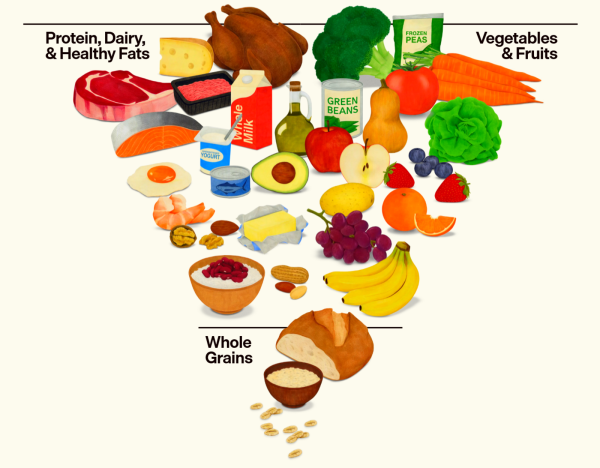
First, the biggest part of the school lunch that is likely to change is a surge in what the administration calls “Real Food”.
According to the USDA’s Real Food Program, “Real Foods” are “Foods that are whole or minimally processed and recognizable as food.”
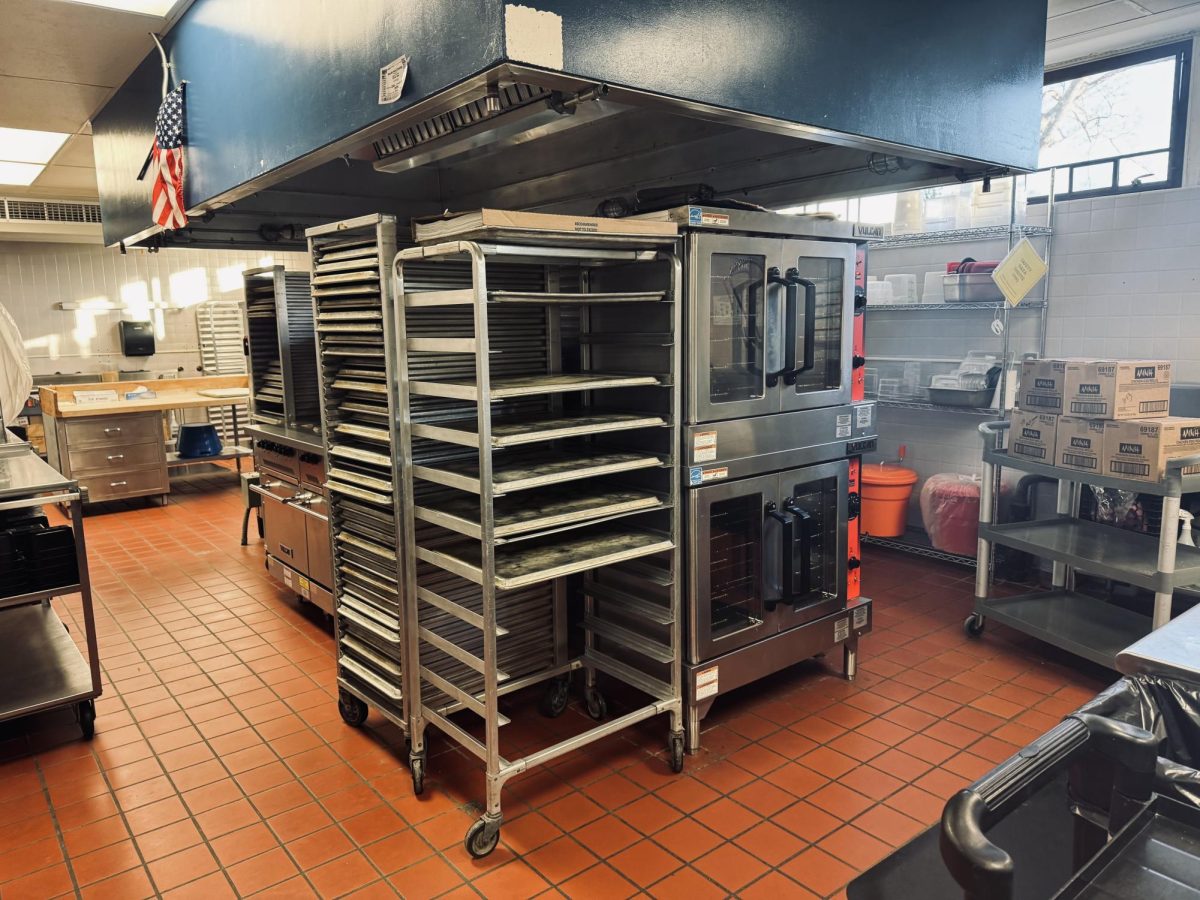
This will mean fewer packaged foods and less food that looks like it’s been highly processed. That will likely mean “more home batch cooking, as they call it, or scratch cooking.” Ms. Burns added.
Ms. Burns also mentioned that, “we’re working on more farm to school [with] local farms.” More “farm to school” is another aspect of “Real Food” that will likely be instituted.
Based on those same guidelines that stress “full-fat dairy”, it is likely that whole milk will make a comeback in HW lunch lines.
Another prominent aspect of the guidelines is adding more protein to the American diet, as “Proteins… have been wrongly discouraged”, Robert F. Kennedy Jr., the Secretary of Health and Human Services, has described it. While both plant and animal proteins have been mentioned in the guidelines, there has been an emphasis on red meat. It is likely that these future lunches will include a clearly defined (and likely meaty) protein with each meal.
Overall, school lunches aren’t as simple as they may seem. Complex regulations, health debates, and government bureaucracy all go into the meals you consume on a daily basis. What we do know is that these regulations are going through big changes, if you’re willing to wait through the “multi-year process”.