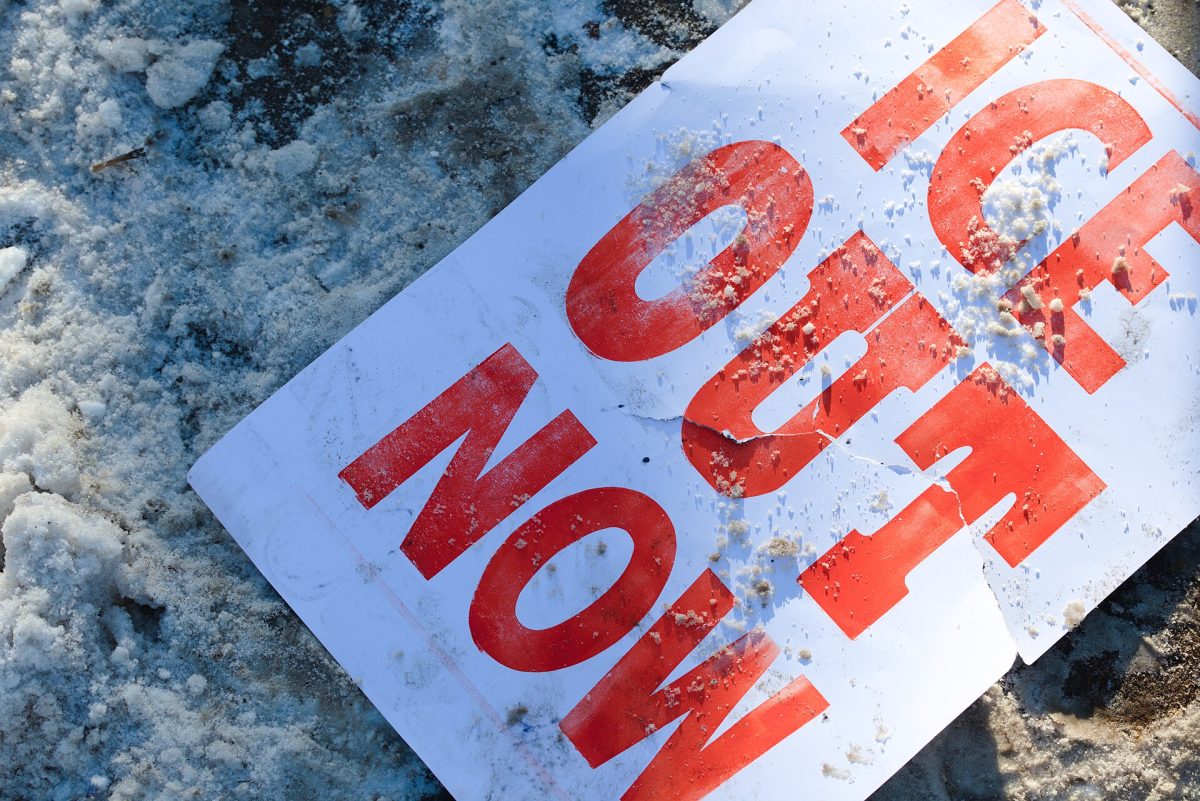
Since the inauguration of the new administration in 2025, there has been a lot of conflict surrounding Immigration Customs Enforcement (ICE) in the United States, specifically in Minneapolis, MN, in both the media and the news. Because of shifting ICE policies regarding public school student safety parents have grown more wary of their children’s safety.
In 2011, U.S Immigration and Customs Enforcement, under the Department of Homeland Security (DHS), issued the Sensitive Location Memorandum. This policy for ICE agents was that they were generally not permitted to conduct enforcement actions within K-12 schools, colleges and universities, school bus stops, hospitals, places of worship, and public demonstrations. Enforcement could occur only if there was a national security threat, an imminent risk or harm, a serious criminal situation that required immediate action, or if prior approval was obtained from a supervisor.
On January 20th, 2025, policies were altered. The DHS rescinded the previous protected areas policy, which gave ICE authority to take action on or near previously protected grounds. However, constitutional laws and protections still exist, meaning that to enter a public space, ICE must have a valid judicial warrant.
Many school districts and states have strengthened local protocols, requiring warrants and legal review before permitting an ICE agent to enter schools or campuses. These protocols are intended to prevent disruption and protect students’ rights and information. Student records remain protected, except for the student’s full name, address, and parental contact information.
If ICE agents were to show up on campus with or without a judicial warrant, Hamilton-Wenham schools would alert the superintendent, Eric Tracy, who would contact a state attorney to verify the judicial warrant’s contents; “if ICE came to me with a warrant saying they needed to find this person, I would still need to call our attorney and verify and make sure it’s absolutely real” said Superintendent Tracy.
Hamilton-Wenham schools were given federal guidelines issued by Maura Healey’s executive order No. 650: Protecting Access to Essential Services and Keeping Massachusetts Communities Safe which states, “that except as authorized by a judicial warrant or judicial order, civil arrests by federal immigration officers shall be executed in no public areas of state facilities.. public and private schools require a judicial warrant or judicial order for entry into non-public areas.”
The executive order by Healey was passed on January 29, 2026, shortly after a five-year-old by the name of Liam Conejo Ramos and his father were detained by ICE in their suburban neighborhood. Liam and his father are natives of Ecuador; the incident caused significant community concern. Judge Fred Biery ordered their release following an emergency request. ICE has made claims that the father abandoned Liam before apprehension, while advocates expressed outrage at the detention of such a young child, according to reports by ABC News and CNN. Liam and his father’s case led to protests and increased fear among immigrant families in the area and across Minnesota.
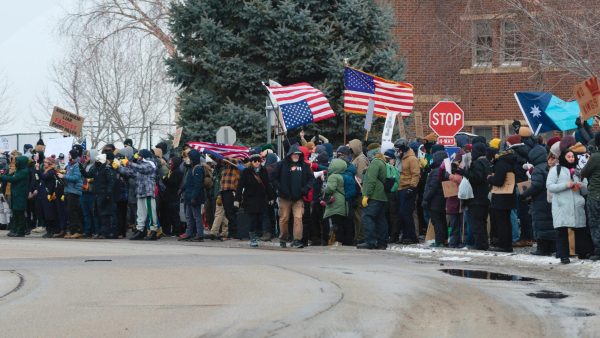
Christine Noem, who was Secretary of Homeland Security at the time, came under fire for her handling of immigration enforcement and the disastrous response to it. This includes the controversial labeling of fatal shootings by federal agents. Renee Good and Alex Pretti were both fatally shot by ICE agents who claimed Good and Pretti were being aggressive, which has since been debunked.
Noem also came under fire for spending decisions at DHS. On March 5th, 2026, she was fired, and now Senator Markwayne Mullin is in charge of Homeland Security.
One of the major concerns of people is how protected their information is. For those worried about their immigration status,” school district enrollment policies may not require information or records about families or students’ immigration status.”https://www.mass.gov/orgs/department-of-elementary-and-secondary-education
For parents or guardians with uncertain immigration status who are worried about their child’s safety, you can visit https://www.mass.gov/doc or https://www.mass.gov for more information on what to do.
If ICE were to show up on the Hamilton-Wenham campus, it is advised that students and staff “stay somewhere inside where it’s safe,” according to Officer Gina.
Although ICE agents do need a warrant to enter non-public areas,” school properties are public except for going inside,” confirmed by resource officer, Gina Bertelli. Therefore, ICE agents could potentially be on campus and contact students in this public area.
If ICE were conducting an arrest and another student proceeded to intervene with the arrest, then “there would be chaos, they might be detained, but hopefully someone would get me (resource officer Gina) to help separate the situation. That would be the best way to go about this,” said Officer Gina. Officer Gina also confirmed, “at the school level, students would not be punished for trying to intervene.”
Although ICE may not be at the forefront of everyone’s minds right now, the way our government is handling immigration is an ongoing issue and continues to concern many people across the United States. ICE policies affect everyone, families, businesses, and communities. For many, this remains relevant because of its impact on immigration, broader conversations about policy and human rights in the country, and law enforcement practices.